Your blood pressure spikes the second the cuff goes on. The exam has barely started, but the number on the screen is already higher than you expect.
This reaction has a name: “white coat hypertension”, “white coat syndrome”, or “white coat effect”. It happens when blood pressure rises higher in a healthcare setting than outside the exam room. Stress, anxiety, and the feeling of being evaluated can all contribute.
For workers facing a DOT physical or an employer-required OSHA medical exam, the distinction matters because an elevated reading can trigger repeat measurements, additional evaluation or a shorter DOT certification period.
Here, we’ll down what’s actually going on, how much it matters, and what to do about it if you experience this and have a DOT or OSHA physical is on your calendar.
Related: Changes Coming to DOT Medical Certification Reporting.
Related: Employers: Limit Your Risk And Cut Costs With Mobile Medical Testing.
“White Coat Hypertension”: What It Means
White coat hypertension means blood pressure is elevated when measured in a clinical setting but normal when measured outside it. The “white coat” refers to the traditional white coats worn by doctors and healthcare professionals.
Blood pressure thresholds vary by guideline and clinical context, so one office reading should not be used to diagnose yourself. Home or ambulatory monitoring can help identify white coat and masked hypertension.
Stress can temporarily activate the body’s “fight-or-flight” response, increasing heart rate and blood pressure.
If the numbers fall when you are relaxed at home, that difference is useful information rather than something to dismiss.
How Serious Is White Coat Hypertension?
White coat hypertension is not the same as sustained high blood pressure, but still shouldn’t be ignored.
Research and clinical guidance suggest that people with white coat hypertension can have a higher risk of developing sustained hypertension and may have greater cardiovascular risk than people with consistently normal readings.
If your readings repeatedly rise in medical settings, keep a record of readings outside the clinic and discuss them with your healthcare provider.
A validated upper-arm home monitor can provide useful information when readings are taken correctly and consistently.
The Best Treatment For White Coat Hypertension
There is no single “best” medication for white coat hypertension because treatment depends on whether your blood pressure is actually high outside the clinic.
Often, the first step is confirmation rather than immediate medication.
Your clinician may recommend home blood pressure monitoring or ambulatory blood pressure monitoring (ABPM), which tracks readings over an extended period, sometimes for 24 hours. These out-of-office measurements can help distinguish white coat hypertension from sustained hypertension.
If home or ambulatory readings are consistently normal, your clinician may recommend monitoring rather than medication.
If they show sustained hypertension, treatment may include lifestyle changes, medication, or both, depending on your cardiovascular risk.
The Difference Between Masked Hypertension And White Coat Hypertension
Think of them as opposites.
– White coat hypertension: blood pressure is high in the clinic but normal at home or during ambulatory monitoring.
– Masked hypertension: blood pressure looks normal in the clinic but is elevated at home, at work or during daily life.
Masked hypertension can be particularly easy to miss because a routine office reading may appear reassuring. Out-of-office monitoring helps clinicians identify both patterns.
How To Clear A DOT Physical Or OSHA Medical Exam If You Have White Coat Hypertension
For a DOT physical, blood pressure can affect the certification period.
Under the current FMCSA Medical Examiner’s Handbook:
– Stage 1 hypertension is 140–159 systolic and/or 90–99 diastolic and may support certification for one year.
– Stage 2, 160–179 and/or 100–109, may result in a one-time three-month certification to begin or adjust treatment and bring blood pressure to 140/90 or lower.
– At Stage 3, 180 systolic and/or 110 diastolic, the driver generally cannot be qualified until blood pressure is reduced to 140/90 or lower and treatment is tolerated. The medical examiner makes the final determination.
If your blood pressure jumps during the exam, tell the medical examiner that you have higher readings in clinical settings. Follow instructions for resting and repeating the measurement. Bring a documented log of home readings if you can, and provide relevant information from your personal healthcare provider when appropriate.
For OSHA medical exams, there is no single blood-pressure certification rule for every worker. Requirements depend on the occupational standard, exposure, and employer’s medical-surveillance program.
An elevated reading may prompt follow-up rather than an automatic “fail.”
- See FMCSA’s Guidelines for Driver Physical Qualification.
Mobile Medical Surveillance Changes What The Cuff Picks Up
This is where mobile medical surveillance can add value. On-site DOT physicals, workplace blood pressure screening and mobile occupational health exams can make recurring health assessments more convenient and consistent.
A familiar worksite setting may also reduce some stress associated with an unfamiliar clinic. That does not mean mobile exams eliminate white coat hypertension or that every elevated reading should be discounted.
It means employers can build consistent medical-surveillance processes and make follow-up easier when an abnormal result appears.
Bringing It All Together
White coat hypertension is common, but it is not something to panic over—or ignore. If your blood pressure rises every time you see a cuff, confirm what your numbers look like outside the exam room. Home or ambulatory blood pressure monitoring can help separate temporary stress-related spikes from genuine hypertension.
If a DOT physical is approaching, remember that one elevated reading does not tell the whole story. Follow the examiner’s process, bring reliable documentation and talk with your healthcare provider about persistent high readings.
The goal is not simply to get through the physical; it is to know what your blood pressure is doing outside the exam room.
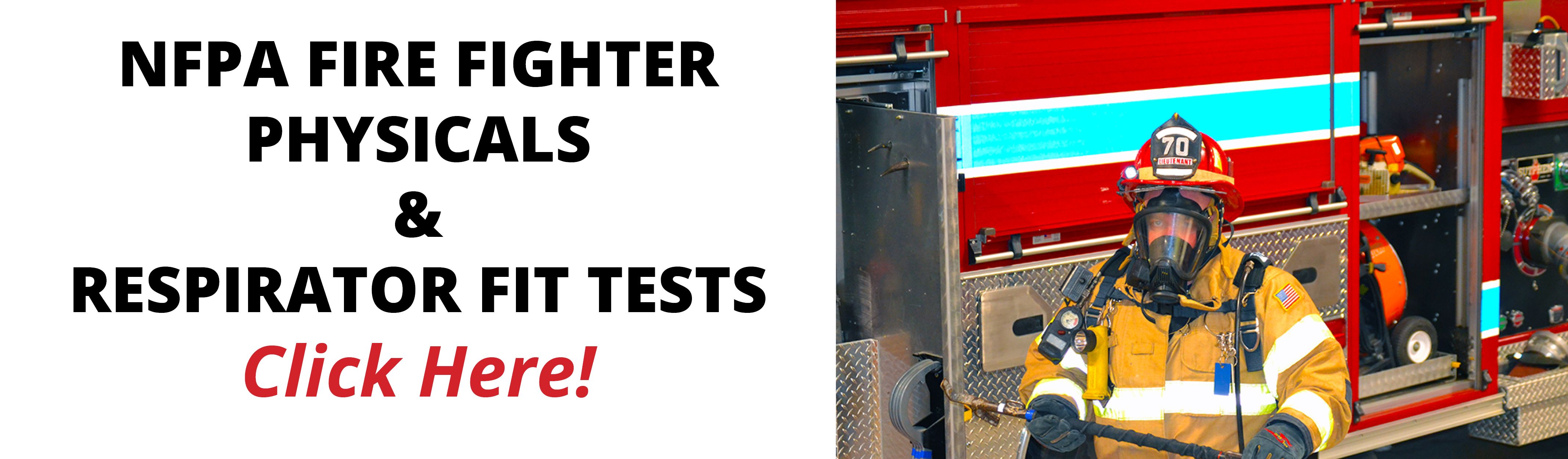
Don’t wait – get your team’s OSHA-compliant respirator medical clearance today!
Medical Surveillance And Monitoring With Worksite Medical
In most cases, OSHA requires medical surveillance testing, and at no cost to employees.
Worksite Medical makes that program easier with mobile medical testing.
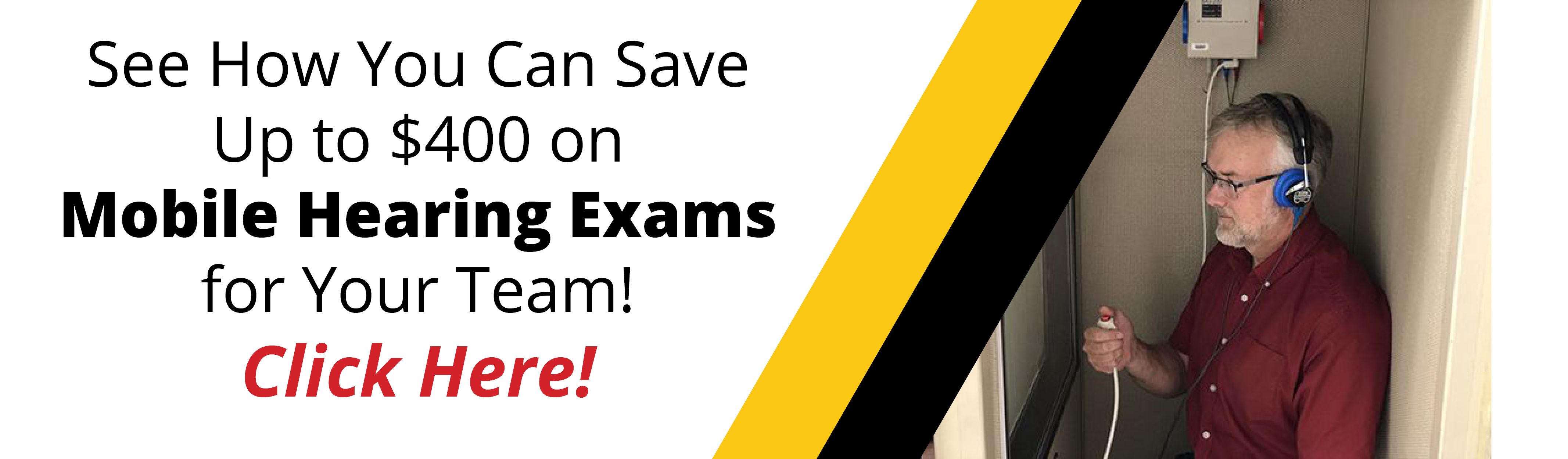
We travel right to your workplace to conduct vision testing, on-site respirator fit tests (including N95 masks), silica exam physicals, audiometric exams, OSHA and HIPAA compliant online respirator medical clearances, pulmonary function tests, heavy metal lab work, and much more, right on your job site.
We also keep accurate, easy-to-access medical records for your convenience. You’ll keep your employees at work, and stay ahead of OSHA & MSHA inspections.
With Worksite Medical, a mobile medical testing unit — we can bring all the resources of a lab to you. Our certified lab technicians can perform both qualitative and quantitative respirator tests to ensure a perfect fit.
You’ll keep your employees at work, and stay ahead of OSHA and MSHA inspections.
Protect your team and your workplace now with Worksite Medical. Not sure what you need? Try our medical testing wizard here, or reach out to us with questions.
Give us a call at 1-844-622-8633, or complete the form below to schedule an on-site visit or to get your free quote.