Understanding Mesothelioma & Workplace Dangers of Asbestos Exposure
Get Your Quote!

Workplace Dangers, Asbestos, and Mesothelioma


It’s a sobering reality that many workers, often those who spent their lives building our infrastructure, are still dealing with a danger hidden in plain sight – asbestos 

This mineral, once hailed for its fire-resistant and insulating properties, is now known as the primary cause of a devastating cancer called mesothelioma 

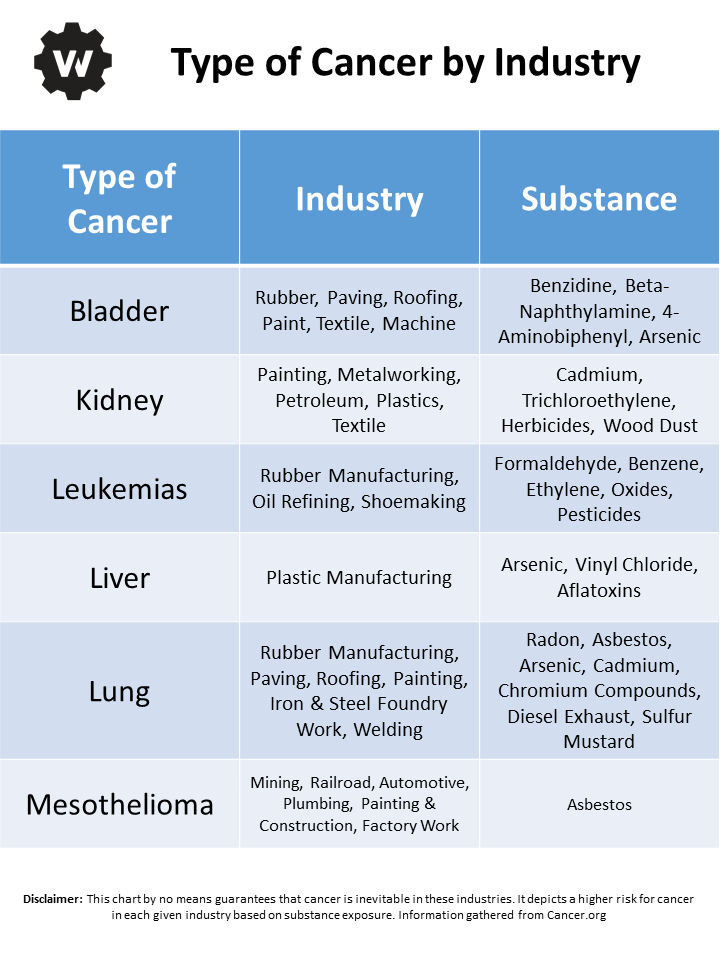
Around 2-8% of all cancers globally are caused by exposures to carcinogens like asbestos.

The core message here is vital: exposure to asbestos fibers on the job poses a significant health risk.  

Even though the mineral remains heavily regulated now, the threat hasn’t vanished. For decades, companies both knowingly and unknowingly exposed hardworking people to this danger.  

Here, we’ll look at the facts, understand the updated rules, and ensure workers are protected today. 


Related: Understanding and Preventing Occupational Lung Diseases

Related: Asbestos: Onus of Second-Hand Exposure is on Employers


What Is Mesothelioma and What Causes It?


You may have heard the word mesothelioma, but what exactly is it? Put simply, it’s a rare but aggressive form of cancer caused primarily by exposure to asbestos. It develops in the thin layer of tissue that covers most of your internal organs, called the mesothelium.  

While it usually affects the lining of the lungs (pleural mesothelioma), it can also occur in the abdomen. 

The main cause is asbestos, although in some instances, other carcinogens are to blame. When someone breathes in or swallows microscopic asbestos fibers, these sharp, durable fibers can become lodged in the lining of the lungs or abdomen.  

Over time (and this is key) sometimes 20, 30, or even 50 years later, these fibers cause irritation that can lead to malignant cells and, eventually, mesothelioma. 

This cancer is a perfect example of an occupational disease. It shows up long after a person retires, making the fight for justice and medical care difficult. It’s a slow-motion public health crisis caused by past negligence. 


Jobs With the Highest Asbestos Exposure Risk


The sad truth is that if you worked in certain industries before the 1980s, you likely faced heavy exposure. Even today, workers in maintenance and demolition jobs are at risk. 

The occupations that consistently rank highest for past and potential exposure include: 

  1. Construction and Skilled Trades: Think carpenters, electricians, plumbers, pipefitters, and insulators. Asbestos was everywhere in construction materials, from drywall compounds and floor tiles to pipe insulation and roofing shingles.


  2. Shipbuilding and Navy: During World War II and the decades that followed, the U.S. Navy used more asbestos than any other industry. Shipyard workers and veterans were constantly exposed while building and repairing vessels packed with asbestos insulation, gaskets, and fireproofing materials.

  3. Auto Mechanics: Before regulations, brake pads and clutch linings often contained asbestos. Mechanics who performed brake work frequently inhaled asbestos dust released during repairs.

  4. Power Plant and Factory Workers: Facilities that used massive amounts of heat, like refineries, chemical plants, and power stations, relied on asbestos to insulate boilers, pumps, and pipes.

Stories like that of Virgil Anderson, a dedicated West Virginia man, bring this risk into sharp focus. He spent decades in industrial and manufacturing environments, doing the tough work that powered the nation.  

Sadly, like many of his generation, he was diagnosed with mesothelioma at only age 50, the disease silently set in motion decades before. Workers like Mr. Anderson, who provided for their families and communities, deserve safety and justice when that safety is denied. 


Hidden Danger of Asbestos Fibers and Long-Term Health Risks


Asbestos fibers are tiny and invisible to the naked eye, which is what makes them so dangerous. When materials containing asbestos are disturbed (cut, drilled, sanded, or simply crumble due to age), the fibers become airborne dust.  

Once inhaled, the body struggles to expel them. Beyond mesothelioma, inhaling these fibers can cause other serious conditions: 

– Asbestosis: This is a chronic lung disease in which scar tissue forms inside the lungs, making breathing progressively harder. Though not a cancer, it is debilitating and sometimes fatal. 

– Asbestos-Related Lung Cancer: Exposure significantly increases the risk of developing lung cancer, especially when combined with smoking. 

The material causes problems not just in old factories. Even today, it remains in countless older buildings, schools, and homes.  

Demolition and renovation crews must treat every structure built before 1980 as potentially containing asbestos. The danger is real, and the need for caution is paramount. 

See American Lung Association’s Guidelines on Asbestosis 


Latest OSHA Requirements for Asbestos


Protecting workers from hazards like asbestos and mesothelioma remains the primary focus of organizations like OSHA. Over the years, standards have been updated to reflect the severe danger posed by even small amounts of exposure. 


Here is the key update you need to know: 

– OSHA sets the Permissible Exposure Limit (PEL) for asbestos. The current limit is set at 0.1 fiber per cubic centimeter of air (f/cc), averaged over an eight-hour workday (TWA).  

– There is also a shorter, more immediate limit called the Excursion Limit (EL) of 1.0 f/cc averaged over 30 minutes. This limit remains extremely low since no known “safe” level of asbestos exposure exists.

OSHA standard 1910.1001 requires employers to institute a medical surveillance program for all employees exposed to airborne concentrations of asbestos at, or above, the permissible exposure limit. Companies such as Worksite Medical go directly to job sites with licensed technicians who perform medical tests in compliance with the OSHA standards, including chest x-rays and asbestos physicals.


What this means for employers: 

  1. Monitoring is Mandatory: Employers must monitor the air in work areas to ensure fiber levels are below the PEL.


  2. Protective Measures: If the PEL is exceeded, employers must immediately use engineering controls (like ventilation and wetting materials), administrative controls, and provide respirators & protective clothing.

  3. Training is Required: All workers potentially exposed must receive clear, detailed training about asbestos hazards and safety procedures.

See OSHA’s Fact Sheet on Asbestos

See OSHA’s Standard for Asbestos (1910.1001).  


What to Do If You Were Exposed to Asbestos at Work


If you have a history of working in a high-risk industry or suspect you were exposed to asbestos, you should take immediate, proactive steps. This is about protecting your health and the health of those around you. 

  1. Talk to Your Doctor: If you experience symptoms like persistent coughing, shortness of breath, or unexplained chest pain, see a physician right away. Make sure they know about your full work history, including every place and job you held. Early detection, while difficult with mesothelioma, can make a difference.


  2. Document Your Work History: Keep a meticulous record of all your job sites, the dates you worked there, and the specific materials you handled (insulation, piping, brakes, etc.). This documentation is essential for potential medical or legal claims later down the road.

  3. Report Unsafe Conditions: If you are currently working and see materials that look like asbestos being disturbed without proper safety protocols (like wetting, air monitoring, or containment), do not stay silent. You can anonymously report the hazard to OSHA. Every report helps protect lives and prevents new exposure cases from occurring.

See The Mesothelioma Center’s Publication


Bringing It Together


Asbestos remains a clear and present danger, causing severe occupational diseases like mesothelioma decades after exposure.  

Employers must rigorously adhere to the current OSHA PEL of 0.1 f/cc and implement the highest safety standards to protect their staff today.  

If you have a history of high-risk work, documentation and proactive medical surveillance are essential steps to secure your future health.  

The fight against asbestos exposure is far from over, but by staying informed and demanding safe workplaces, we can protect the next generation of workers.

For more information on mesothelioma, please visit Mesothelioma.net.

 

Stay In Compliance With Worksite Medical


In most cases, OSHA requires medical surveillance testing, and at no cost to employees.   

Worksite Medical makes that program easier with mobile medical testing.   

We conduct audiometric examssilica exam physicalsOSHA and HIPAA compliant online respirator medical clearanceson-site respirator fit tests (including N95 masks), pulmonary function tests, heavy metal lab work, and much more, right on your job site.   

We also keep accurate, easy-to-access medical records for your convenience. You’ll keep your employees at work, and stay ahead of OSHA and MSHA inspections.   

With Worksite Medical, a mobile medical testing unit — we can bring all the resources of a lab to you. Our certified lab technicians can perform both qualitative and quantitative respirator tests to ensure a perfect fit. 

Protect your team and your workplace now with Worksite Medical. Not sure what you need? Try our medical testing wizard here.    

Give us a call at 1-844-622-8633, or complete the form below to schedule an on-site visit or to get your free quote.    

Convenient, Compliant Occupational Medicine. Worksite Medical – Let Us Come to You!

Request a Quote or Schedule Your Testing