Using Leading Indicators to Build a Safer, Smarter Worksite - Worksite Medical
Get Your Quote!

On the front lines, safety too often feels like a bunch of paperwork. You fill out your pre-task plans, you get your inspections signed, and you hope nothing goes wrong. For the folks in the office, safety is also too often a report on last month’s incidents—a tally of what already went wrong.

But, what if we told you there’s a smarter way? A way to be proactive about safety instead of just reactive? It’s all about using leading indicators. 

Think of it like this: a lagging indicator is looking in your rearview mirror. It tells you where you’ve been (like your Recordable Injury Rate).  

A leading indicator is like looking through your windshield. It helps you see hazards ahead of time so you can steer clear of them.  

This proactive approach is exactly what OSHA champions with its “Safe + Sound” campaign, encouraging businesses to find and fix hazards before they cause harm. 

This guide combines proven practices and today’s top insights to help workers and decision-makers confidently use leading indicators on any work site. 


Related: Gear Up For Safe + Sound Week 2025: 7 Strategies for Manufacturing Safety

Related: OSHA Seeks Input on Voluntary Protection Programs


What Are Leading Indicators and Why Do They Matter?


Leading indicators are proactive, predictive safety metrics that measure activities aimed at preventing incidents—think hazard reports, safety training rates, and equipment maintenance schedules.  

Unlike lagging indicators such as injury rates, which reflect past events, leading indicators offer a real-time pulse on safety effectiveness, allowing hazards to be managed before they cause harm. 

In OSHA’s words, leading indicators provide “information about the effective performance of safety and health activities” and are critical in building a culture focused on prevention and continuous improvement.  

Using these metrics shifts safety from reactive to strategic—from responding to injuries to preventing them altogether. 

See OSHA’s Guideline on Leading Indicators


How Leading Indicators Improve Workplace Safety


By monitoring leading indicators, you can uncover early warning signs of failure, such as declining near-miss reports or overdue equipment maintenance, and then take timely corrective actions.

This approach drives significant benefits:

  1. Fewer injuries and illnesses by addressing risks early.
  2. More engaged workers who contribute to reporting and safety discussions.
  3. Better compliance with regulations through documented proactive efforts.
  4. Enhanced management accountability with measurable safety goals.

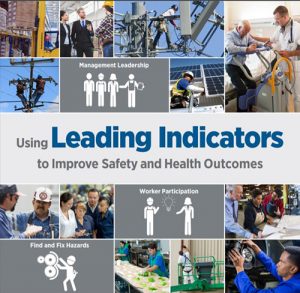
See OSHA’s Guidelines on Using Leading Indicators to Improve Safety and Health Outcomes. 


Leading Indicators That Best Reflect Worker Participation


Worker involvement is at the core of any effective safety program.  

OSHA suggests tracking: 

  1. How many workers provide feedback or participate in setting safety goals. 
  2. Engagement in developing and revising job safety analyses and procedures.
  3. Involvement in accident and near-miss investigations. 

These indicators not only improve hazard detection but also build trust and a proactive safety culture. 


How to Implement Leading Indicators for Workers and Management


Successfully implementing leading indicators requires a tailored approach in which everyone, from the crew on the ground to the executives in the boardroom, plays a clear and actionable role. 


1. For frontline workers: 

– Make safety metrics visible via dashboards or whiteboards in common areas. 

– Integrate near-miss reporting into daily routines and shift handoffs. 

– Encourage active reporting and public recognition of safety contributions. 


2. For supervisors and safety managers: 

– Use actionable data to identify trends and follow up on outstanding issues. 

– Communicate results and safety plans clearly to workers. 


3. For executives and decision-makers: 

– Align indicators with organizational risk and costs related to injury prevention. 

– Support investments in data systems and AI tools for predictive safety analytics. 

– Foster a culture that values transparency, accountability, and continuous improvement. 

See OSHA’s Recommended Practices for Safety and Health Programs 


How Leading Indicators Align with Current OSHA Standards


In 2025, OSHA emphasizes programs that include: 

  1. Hazard identification involving worker participation.


  2. Comprehensive training and competency verification.
  3. Respiratory protection with medical clearance, fit testing, and program management; updated regulations streamline certain protocols but retain core requirements.
  4. Data-driven safety evaluation using SMART indicators (Specific, Measurable, Achievable, Relevant, Timely).
  5. Integrating mental health and workplace wellbeing into safety considerations.


Examples of Leading Indicators


To make it even clearer, here’s some great examples you can implement tomorrow, inspired by OSHA’s leading indicators guide: 

  1. Management Visibility & Leadership: Track the hours managers spend on the floor conducting safety observations and having meaningful conversations with workers.


  2. Employee Participation: Measure the number of workers involved in safety committees, audits, and process development.
  3. Training Effectiveness: Go beyond completion rates. Use short quizzes or skills demonstrations to ensure knowledge was retained.
  4. Job Hazard Analysis (JHA) Completion: Track the percentage of non-routine tasks that have a completed JHA before work begins.
  5. Near-Miss Reporting Rate: A rising number of reported near-misses indicates a trusting, proactive culture.


Why Leading Indicators Important in Safety


The importance boils down to one thing: prevention. Leading indicators allow you to: 

  1. Prevent Injuries and Save Lives: This is the number one goal. You’re actively creating a environment where it’s harder to get hurt.


  2. Empower Your Workforce: When workers see their reports and observations leading to real change, they feel valued and become active partners in safety.
  3. Make Data-Driven Decisions: Instead of guessing, you can allocate your safety budget, time, and training to the areas that need it most.
  4. Build a Resilient Safety Culture: You create a self-sustaining cycle of identification, correction, and improvement that protects your people and your business.


Bringing It Together


By making leading indicators the core of your safety program, you’re not just complying with regulations. You’re building a worksite where everyone is invested in each other’s well-being.  

Whether you’re a frontline worker or a company leader, understanding and using leading indicators empowers you (and your team) to create safer work environments every day. 

It’s a win for the worker who goes home healthy every night, and a win for the company that builds a reputation for excellence and reliability. 


Stay In Compliance With Worksite Medical


In most cases, OSHA requires medical surveillance testing, and at no cost to employees.    

Worksite Medical makes that program easier with mobile medical testing.    

We conduct audiometric examsOSHA and HIPAA compliant online respirator medical clearancessilica exam physicalson-site respirator fit tests (including N95 masks), pulmonary function tests, heavy metal lab work, and much more, right on your job site.    

We also keep accurate, easy-to-access medical records for your convenience. You’ll keep your employees at work, and stay ahead of OSHA inspections.    

With Worksite Medical, a mobile medical testing unit — we can bring all the resources of a lab to you. Our certified lab technicians can perform both qualitative and quantitative respirator tests to ensure a perfect fit.     

You’ll keep your employees at work, and stay ahead of OSHA and MSHA inspections.    

Protect your team and your workplace now with Worksite Medical. Not sure what you need? Try our medical testing wizard here.     

Give us a call at 1-844-622-8633, or complete the form below to schedule an on-site visit or to get your free quote.     

Convenient, Compliant Occupational Medicine. Worksite Medical – Let Us Come to You!   

Request a Quote or Schedule Your Testing