by Iheama Ikwuagwu | May 20, 2024 | Blog, Respiratory Protection, Wellness
In the occupational health and safety space, NIOSH approved N95 respirators play a pivotal role in safeguarding workers from hazardous airborne particles. The National Institute for Occupational Safety and Health (NIOSH) offers two fact sheets on filtering face piece...
by Iheama Ikwuagwu | Apr 29, 2024 | Asbestos, Blog, Firefighters, Hearing Protection, Respiratory Protection, Silica, Vision Protection, Wellness
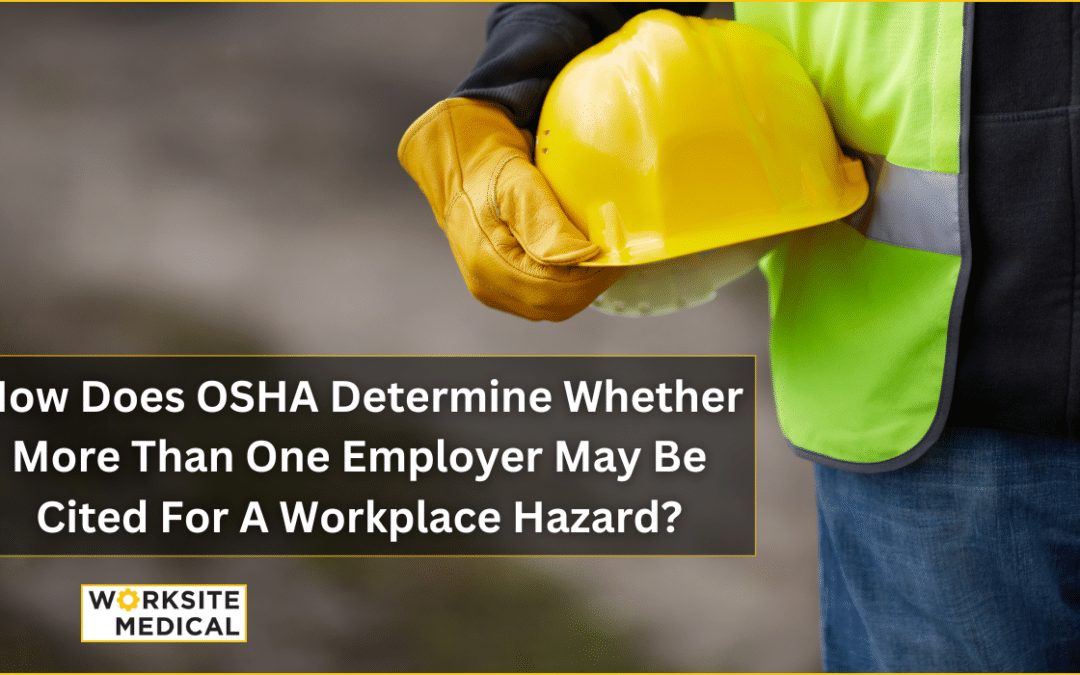
In multi-employer worksites, such as construction projects, where multiple employers like general contractors, subcontractors, and others have workers on-site, determining responsibility for workplace safety violations can be difficult. OSHA has a specific policy that...

by Iheama Ikwuagwu | Apr 20, 2024 | Blog, Respiratory Protection, Uncategorized, Wellness
The cannabis industry continues its rapid expansion, with a growing workforce and unique occupational health hazards. In the U.S., this industry is projected to reach $72 billion annually by 2030, according to industry research group New Frontier Data. While most...

by Iheama Ikwuagwu | Apr 15, 2024 | Blog, Respiratory Protection, Services, Wellness
OSHA and Medical Surveillance In the hustle and bustle of the workplace, it’s easy to overlook the critical importance of medical surveillance. Medical surveillance programs help employers identify health hazards, monitor employee health over time, and evaluate...

by Iheama Ikwuagwu | Mar 25, 2024 | Asbestos, Blog, Firefighters, Hearing Protection, Respiratory Protection, Silica, Uncategorized, Vision Protection, Wellness
So, you’ve been cited by OSHA. With OSHA conducting approximately 32,000 inspections annually, it’s not uncommon that they catch companies off-guard with discovered hazards, and leaving uncertainty about what steps come next. You’re probably worrying about...
by Iheama Ikwuagwu | Mar 11, 2024 | Blog, Respiratory Protection, Wellness
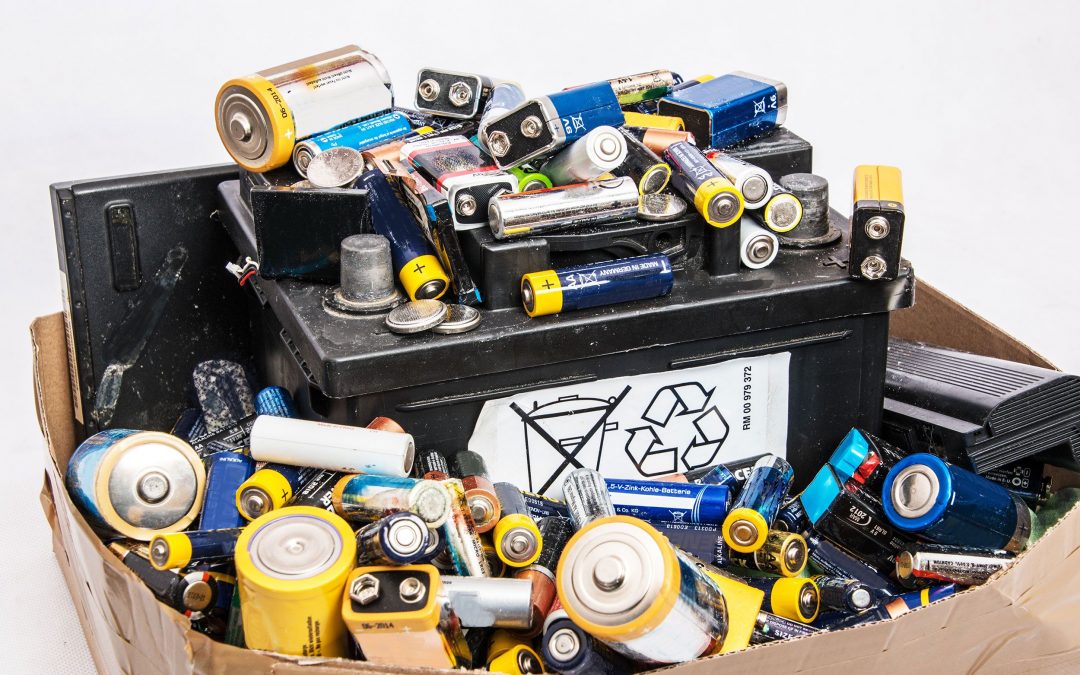
Dangers of Cadmium Occupational health and safety are paramount in any workplace, especially when dealing with hazardous substances like cadmium. Cadmium is a toxic metal commonly found in industrial workplaces, particularly in industries such as mining,...